
Fire Restoration: Ultimate 5-Step Guide
Why Fire Restoration Requires Immediate Professional Action
Fire restoration is the comprehensive process of cleaning, repairing, and rebuilding a property after fire damage to return it to its pre-loss condition. This process addresses multiple types of damage—including fire, smoke, soot, water from firefighting efforts, and chemical residues—each requiring specialized techniques and equipment.
Key components of fire restoration include:
- Immediate Response: The first 24-48 hours are critical to prevent permanent damage from acidic soot and mold growth
- Damage Assessment: Professional inspection of structural integrity, smoke penetration, and salvageable contents
- Water Extraction & Drying: Removing firefighting water to prevent secondary damage
- Smoke & Soot Removal: Specialized cleaning using HEPA vacuums, air scrubbers, and industry-specific techniques
- Deodorization: Advanced methods like thermal fogging and hydroxyl generators to eliminate odors at the molecular level
- Reconstruction: Repairing or rebuilding damaged structures, from minor drywall replacement to full room reconstruction
Experiencing a fire is one of the most traumatic events a homeowner can face. Beyond the visible flames, the hidden damage from smoke, soot, and water can continue destroying your property for days and weeks after the fire is extinguished. In 2021 alone, local fire departments responded to 1,353,500 fires causing $15.9 billion in property damage. Structure fires account for more than one-third of all reported fires but cause 83% of total fire-related property losses—$14.7 billion in a single year.
The stakes are incredibly high. Within hours, acidic soot begins permanently etching glass, tarnishing metals, and discoloring plastics. Within 24-48 hours, standing water from firefighting efforts creates ideal conditions for mold growth. Materials weakened by heat may appear sound but can deteriorate further, increasing collapse risk. This is why professional fire restoration isn’t just about aesthetics—it’s about safety, health, and protecting your most valuable asset.
I’m JR Smith, founder of H-Towne & Around Remodelers, and over the past 20+ years, I’ve guided countless Texas Gulf Coast homeowners through the fire restoration process, from emergency response through final reconstruction. This guide provides a comprehensive checklist to help you understand what to expect and how to steer every step of recovery.
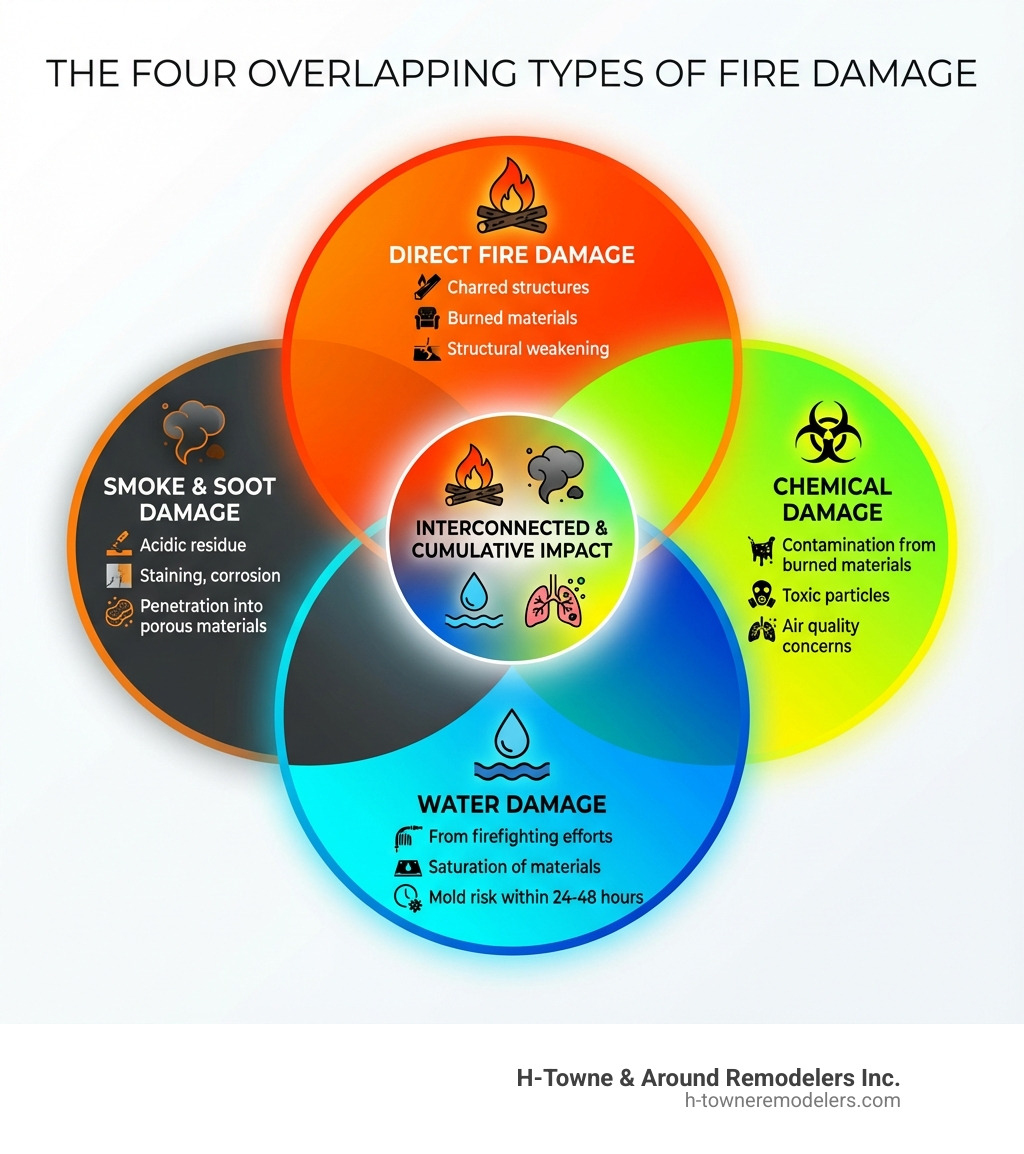
Understanding the Aftermath: Immediate Steps and Types of Damage
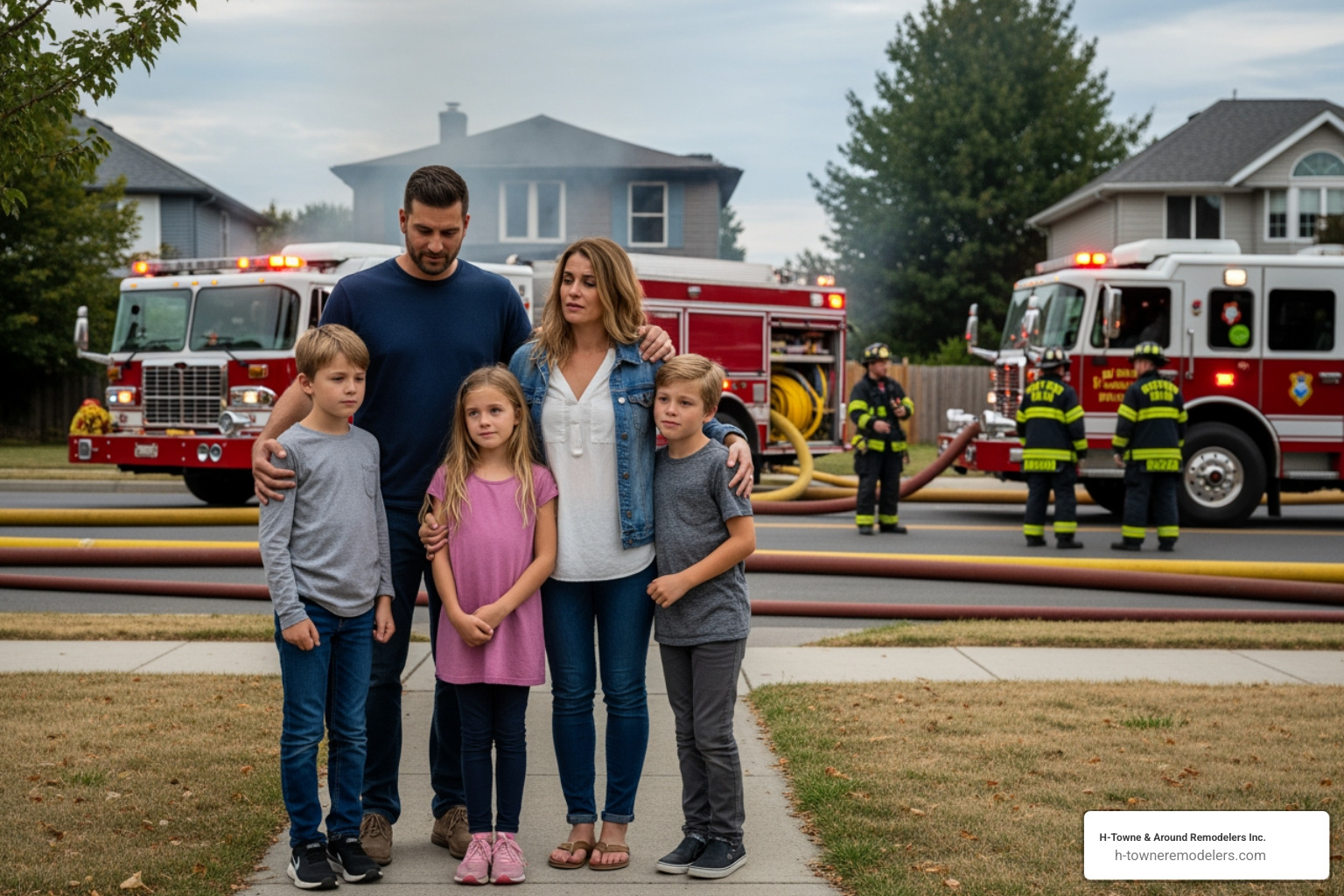
The moment the fire department leaves, the clock starts ticking on your property’s recovery. What you do in these immediate hours can significantly impact the success and cost of your fire restoration.
Safety First: Your Top Priority
First and foremost, your safety and the safety of your loved ones are paramount. Do not re-enter your home until official authorities, like the fire department, have given you clearance. Even if the flames are out, structural integrity might be compromised, and toxic fumes can linger. Once cleared, here’s what to do next:
- Contact Your Insurance Company: This should be one of your first calls. Prompt reporting is crucial, and they can guide you on the next steps, including temporary living arrangements if needed.
- Contact a Restoration Company: As a homeowner in Houston or the surrounding areas, we understand the urgency. We recommend reaching out to a professional fire restoration company like H-Towne & Around Remodelers immediately. Our team can begin the process of securing your property and assessing the damage.
The ‘Golden Hours’: Why Prompt Response is Crucial
The first 24 to 48 hours after a fire are often referred to as the “golden hours” of recovery. During this critical window, quick action can prevent secondary damage from becoming permanent.
- Acidic Soot Corrosion: Smoke and soot residues are highly acidic. Within hours, they can cause irreversible damage, tarnishing metals, discoloring plastics, and etching glass surfaces. The longer these residues sit, the deeper they penetrate, making restoration more challenging and costly.
- Mold Growth from Water: Firefighting efforts, while essential, often leave behind significant water damage. This standing water creates a perfect breeding ground for mold. Within just 24-48 hours, damp conditions can lead to mold spores taking hold, requiring extensive and costly remediation.
Secure the Property and Document Everything
Even before the full restoration begins, immediate steps are needed to protect your property from further harm:
- Board-Up Services: If windows, doors, or other openings are damaged, securing them with board-up services prevents unauthorized entry, protects against weather, and deters vandalism.
- Roof Tarping: A damaged roof can leave your home vulnerable to rain and other elements. Tarping provides temporary protection, preventing further water intrusion.
- Initial Documentation: This is critical for your insurance claim. Take abundant photos and videos of all damaged areas, both inside and out. Documenting the condition before any work begins provides clear evidence for your claim. Keep a detailed journal of all actions, conversations, and expenses.
- Limit Activity: While awaiting professional help, try to limit movement within the damaged areas. Walking around can embed soot deeper into carpets and fabrics, making it harder to remove.
The aftermath of a fire is overwhelming, but understanding these immediate steps and the types of damage you face can help you regain control and set the stage for a successful fire restoration.
The Comprehensive Fire Restoration Process: A Step-by-Step Checklist
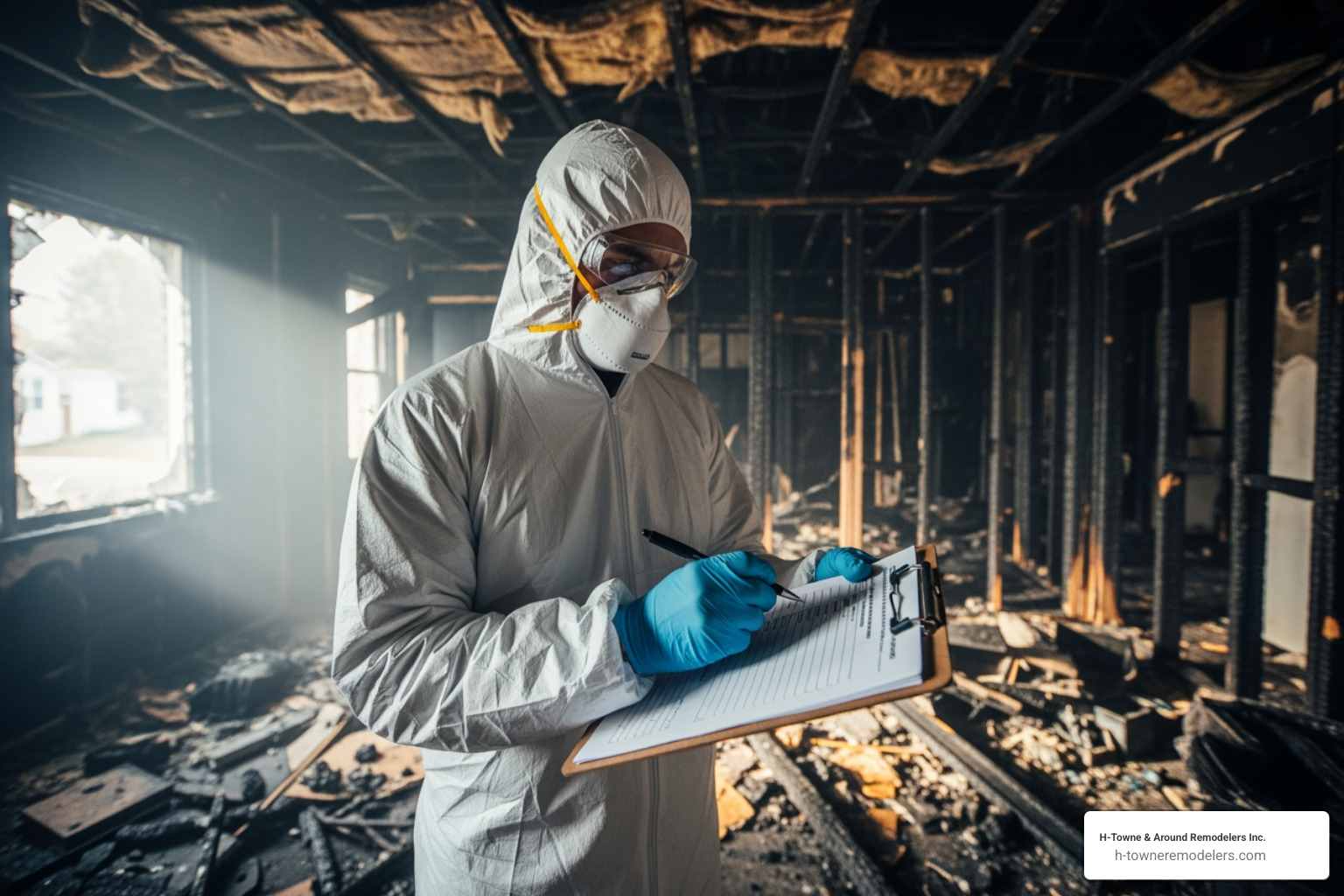
Successfully restoring a property after a fire requires a systematic, multi-step approach guided by industry best practices. The process is guided by industry standards like the ANSI/IICRC S700 Standard for Professional Fire and Smoke Damage Restoration, ensuring that professionals follow established science, methods, and best practices for safety, compliance, and thorough recovery. As your trusted partner in Houston, we adhere to these rigorous standards to bring your home back to life.
Step 1: Inspection and Damage Assessment
Before any hands-on work begins, a thorough inspection is paramount. This initial assessment helps us understand the full scope of the damage and formulate a precise restoration plan.
- Official Clearance: Our team cannot enter your property until a licensed authority has deemed it safe. Your safety is our primary concern.
- Scope of Damage: We carefully assess the extent of the fire, smoke, and soot penetration throughout your home. This includes visible damage to structures and contents, as well as hidden damage that might not be immediately apparent.
- Structural Safety Check: Our experienced team evaluates the structural integrity of your home, identifying any areas weakened by the fire that may pose a risk.
- Identifying Types of Smoke and Soot: Not all smoke damage is the same. Different materials burn differently, producing various types of smoke and soot, each requiring a specific cleaning approach:
- Wet Smoke: Typically from slow-burning fires (plastics, rubber), it’s sticky and smears easily.
- Dry Smoke: From fast-burning, high-temperature fires (wood, paper), it’s often powdery and easier to clean.
- Protein Smoke: From burning food, it’s virtually invisible but leaves a strong, pungent odor and discolors surfaces.
- Fuel Oil Smoke: From furnace puff-backs, it’s very greasy and difficult to clean.
- Pre-Testing Surfaces: Before applying any cleaning agents, we pre-test affected surfaces to determine the most effective and safest cleaning methods, preventing further damage.
- Creating a Detailed Restoration Plan and Estimate: Based on our assessment, we develop a comprehensive plan outlining every step of the restoration, along with a detailed cost estimate for your approval and insurance submission. We document our findings with photos and videos for transparency.
Step 2: Water Damage Mitigation
While fire causes direct destruction, the water used to extinguish the flames can inflict its own extensive damage. Addressing this quickly is a critical part of fire restoration.
- Water from Firefighting Efforts: Most fire scenes involve significant water damage from hoses, sprinklers, and other extinguishing agents.
- Commercial-Grade Water Extraction: We use powerful, commercial-grade equipment to quickly extract standing water from all affected areas, including carpets, subfloors, and structural cavities.
- Industrial Dehumidifiers and Air Movers: After extraction, the drying process begins. Industrial dehumidifiers remove moisture from the air, while high-velocity air movers target specific areas to thoroughly dry structural materials and contents.
- Thorough Drying of Structure and Contents: Our goal is to dry everything completely, preventing moisture from lingering in hidden pockets.
- Preventing Secondary Mold Damage: Rapid and thorough drying is the best defense against mold. Since mold can begin to grow within 24-48 hours in damp conditions, our swift water mitigation efforts are essential to prevent this secondary issue.
Step 3: Smoke and Soot Removal
Removing smoke and soot is a specialized task that goes far beyond simple scrubbing. It requires specific tools and techniques to effectively clean surfaces and prevent cross-contamination.
- Specialized Equipment: We use advanced equipment such as HEPA vacuums, which capture microscopic soot particles, and air scrubbers, which filter airborne contaminants to improve air quality.
- Cleaning Techniques for Different Surfaces: Our certified technicians are trained in various cleaning methods custom to the type of smoke damage and the material affected. This might include dry cleaning, wet cleaning, foam cleaning, abrasive cleaning, or immersion cleaning.
- Understanding Smoke Damage Levels: The approach to remediation differs significantly based on the severity of smoke damage. Here’s a general guide:
| Damage Level | Description | Remediation Approach |
|---|---|---|
| Light Smoke | Odor present, no visible soot or ash. | Air out/ventilate, use high-efficiency air filters (MERV 11+), absorb odors with activated charcoal, clean absorbent materials (curtains, bedding). |
| Moderate Smoke | Light soot, visible particulates, noticeable odor. | Wear PPE, minimize movement to prevent spreading soot, clean exterior siding/windows, damp wipe hard floors/surfaces, HEPA vacuum carpets/soft goods, clean fabrics, damp wipe ceilings/walls, discard unsalvageable items, clean HVAC registers, install new MERV 11+ filter, consider professional duct cleaning. |
| Heavy Smoke | Heavy soot/ash, visible particulates, strong, pervasive odor. | Professional restoration is essential. Contact your insurance company, select a licensed/insured/certified contractor, obtain a written estimate and contract, work closely with your insurance adjuster, monitor contractor performance, and ensure satisfaction before final payment. DIY is not recommended due to health risks and complexity. |
Step 4: Cleaning, Sanitizing, and Deodorization
Once the bulk of smoke and soot is removed, the focus shifts to detailed cleaning, sanitizing, and, crucially, eliminating lingering odors.
- Cleaning All Restorable Items and Structures: Every surface, from walls and ceilings to floors and fixtures, is carefully cleaned to remove any remaining residue.
- Contents Pack-Out Services for Off-Site Restoration: For items that require specialized attention or are at risk of further damage, we offer pack-out services. This means carefully inventorying, packing, and transporting your belongings to a secure facility for professional cleaning, deodorization, and restoration. We consider both the cost of restoration versus replacement and, importantly, the sentimental value of your cherished items.
- Sanitizing Surfaces to Remove Bacteria: Especially in areas affected by water, sanitizing is vital to eliminate bacteria and prevent potential health hazards.
- Advanced Deodorization Techniques: Simply masking smoke odors is ineffective; they will eventually return. Our professionals use advanced techniques to neutralize odor molecules at their source:
- Thermal Fogging: Uses a heated fog to penetrate porous materials, mimicking the way smoke travels, to neutralize odors.
- Ozone Generators: Produce ozone (O3), which oxidizes odor-causing molecules. These are typically used in unoccupied spaces due to safety considerations.
- Hydroxyl Generators: Use UV light to produce hydroxyl radicals, which neutralize odors at a molecular level and can be used safely in occupied areas.
- HVAC System and Duct Cleaning: Smoke and soot can infiltrate your HVAC system, circulating contaminants and odors throughout your home. Thorough cleaning of ducts and replacement of filters are essential to prevent re-contamination and ensure healthy air quality.
Step 5: Reconstruction and Repair
This is the final, exciting phase of the fire restoration process, where your house truly becomes your home again.
- The Final Step in the Fire Restoration Process: Once cleaning, sanitizing, and deodorization are complete, we move into the reconstruction phase.
- Minor Repairs: This might include replacing damaged drywall, repainting walls and ceilings, or installing new flooring.
- Major Reconstruction: For more extensive damage, this could involve rebuilding entire rooms, replacing structural components, or undertaking significant renovations. As H-Towne & Around Remodelers, this is where our expertise truly shines. Our highly experienced, multi-generational, licensed, and insured tradesmen ensure exceptional quality and craftsmanship, rebuilding your home to its pre-fire condition, or even better, if you choose to incorporate updates.
- Restoring the Home to its Pre-Fire Condition: Our ultimate goal is to return your home to a safe, functional, and aesthetically pleasing state, erasing the visible reminders of the fire.
Navigating the Logistics: Insurance, Professionals, and DIY Risks
Dealing with the aftermath of a fire involves not just physical cleanup but also navigating the complexities of insurance claims and making informed decisions about who to trust with your home’s recovery.
Working with Your Insurance Company
Your insurance policy is your safety net, but understanding how to work with it is key to a smooth recovery.
- Understanding Your Policy Coverage: Review your homeowner’s insurance policy carefully to understand what is covered, including dwelling repairs, personal property, and additional living expenses if you’re displaced.
- Documenting All Damage, Expenses, and Communications: Keep meticulous records. Photograph every damaged item and area. Document all expenses related to temporary housing, emergency repairs, and lost items. Log every conversation with your insurance company, noting dates, times, and names. This comprehensive documentation is crucial for a successful claim.
- Your Right to Choose Your Own Contractor: You are not obligated to use the contractor recommended by your insurance company. You have the right to choose your own reputable and experienced fire restoration and remodeling company, like H-Towne & Around Remodelers.
- How Professionals Use Industry-Standard Software to Help Maximize Claims: We work directly with insurance adjusters and often use the same industry-standard software and tools they do. This allows us to provide comprehensive documentation and estimates that speak their language, helping to ensure you get the maximum coverage for your restoration.
DIY vs. Professional Fire Restoration
The temptation to save money by doing it yourself can be strong, but with fire restoration, the risks often far outweigh the potential savings.
- Risks of DIY:
- Health Hazards from Toxic Particles: Smoke and soot contain toxic gases and fine particulate matter. Inhaling these particles can lead to respiratory irritation, cardiovascular problems, worsening asthma, and potential exposure to carcinogens. Without proper personal protective equipment (PPE) and specialized cleaning agents, you risk serious health issues. The U.S. Environmental Protection Agency (EPA) notes that inhaling these particles can lead to respiratory irritation and other significant health concerns.
- Incomplete Cleaning: Smoke and soot penetrate porous materials and can hide in unseen areas like behind walls or within HVAC ducts. DIY efforts often only address surface-level damage, leaving behind lingering odors and hidden contaminants.
- Structural Dangers: A fire can compromise the structural integrity of your home. Without professional assessment, you might unknowingly be working in an unsafe environment.
- Worsening Damage: Improper cleaning techniques can spread soot, permanently embed stains, or cause further damage to delicate items. Masking odors, for instance, is ineffective and will lead to their return.
- When to Call Professionals: For any significant fire damage, especially if there’s:
- Structural damage
- Heavy soot or smoke penetration
- Extensive water damage from firefighting efforts
- Lingering, pervasive odors
- Damage to electrical systems or other utilities
- Concerns about air quality
Finding a Qualified Professional
Choosing the right fire restoration company is one of the most critical decisions you’ll make after a fire. Look for a company with proven expertise and a strong local presence.
- Certifications to Look For: Professional certifications demonstrate a company’s commitment to industry standards and ongoing training. A key certification to look for is the IICRC Fire and Smoke Restoration Technician (FSRT). These technicians understand how fire damages a structure and the proper approach to fix it.
- Verify State Licensing and Insurance: Ensure the company is properly licensed to perform construction and restoration work in Texas and carries adequate insurance (liability and worker’s compensation). This protects you from potential liabilities.
- Check Local Reputation and References: A reputable company will have a strong track record and positive reviews from homeowners in your area, such as Houston, Cypress, Katy, or The Woodlands. Ask for references and check their standing with local business organizations.
Frequently Asked Questions about Fire Restoration
How long does the fire restoration process take?
The duration of the fire restoration process can vary significantly depending on several factors, including the size of the affected area, the severity of the damage, and the types of materials involved. Minor jobs, like cleaning light smoke damage in a single room, might take a few days. However, if there’s extensive structural damage, significant water damage, or the need for major reconstruction, the process can extend for several weeks or even months. Our team will provide a detailed timeline after the initial assessment, keeping you informed every step of the way.
Can all my personal belongings be saved?
While the goal is to restore as much as possible, not all personal belongings can be saved. The salvability of an item depends heavily on the type and extent of damage, as well as the material it’s made from. Generally:
- Porous items (like fabrics, upholstered furniture, books, and paper documents) are more challenging to restore, as smoke and soot particles can deeply penetrate their fibers, and odors are harder to eliminate.
- Non-porous items (like glass, metal, and some plastics) are often easier to clean and restore.
Our professionals will carefully assess each item, weighing its sentimental value against the cost and feasibility of restoration. We offer specialized content cleaning services that can often restore cherished items you might think are lost, such as photographs, artwork, and electronics.
Is the smoke smell ever going to go away completely?
Yes, with professional deodorization, the smoke smell can and should go away completely. One of the most persistent and unpleasant aspects of fire damage is the lingering smoke odor. This isn’t just a surface issue; smoke particles can permeate walls, fabrics, furniture, and even your HVAC system. Simply masking the odors with air fresheners is ineffective and will only provide temporary relief, as the smell will eventually return.
Our professional fire restoration process includes advanced deodorization techniques, such as thermal fogging, ozone treatments (for unoccupied spaces), and hydroxyl generators (which can be used safely in occupied areas). These methods work by neutralizing odor molecules at their source, ensuring that the smell is eliminated, not just covered up. A reputable fire restoration company will guarantee odor removal, returning your home to a fresh, clean state.
Restoring Your Home and Peace of Mind
Experiencing a fire is a profoundly challenging event, but with a systematic and professional approach to fire restoration, you can steer the recovery process with confidence. From the immediate aftermath to the final touches, each step is crucial in changing a damaged property back into a safe, healthy, and comfortable home.
Our ultimate goal at H-Towne & Around Remodelers is not just to repair damage but to restore your peace of mind. The reconstruction phase is where your home truly comes back to life, reflecting your vision for the future. As a trusted home remodeling company in Houston, TX, and surrounding areas like Cypress, Katy, and The Woodlands, we pride ourselves on providing expert reconstruction services. Our highly experienced, multi-generational, licensed, and insured tradesmen ensure exceptional quality craftsmanship, rebuilding your home to the highest standards.
If you’re facing the daunting task of fire restoration in the Houston area, let our family help yours. We’re here to guide you through every step, from initial assessment to the joyous moment you reclaim your beautifully restored home.
Contact us for your fire restoration and reconstruction needs.