
Smoke odor removal service: Ultimate Guide 2026
Why Smoke Odor Removal Service Matters After Fire or Smoke Damage
A Smoke odor removal service is essential after fire, smoke, or prolonged cigarette use affects your home. Smoke particles penetrate deep into walls, fabrics, and HVAC systems, causing health risks and property damage that simple cleaning cannot fix. Professionals use specialized equipment like ozone generators, thermal fogging, and HEPA air scrubbers to neutralize odors at the molecular level, not just mask them.
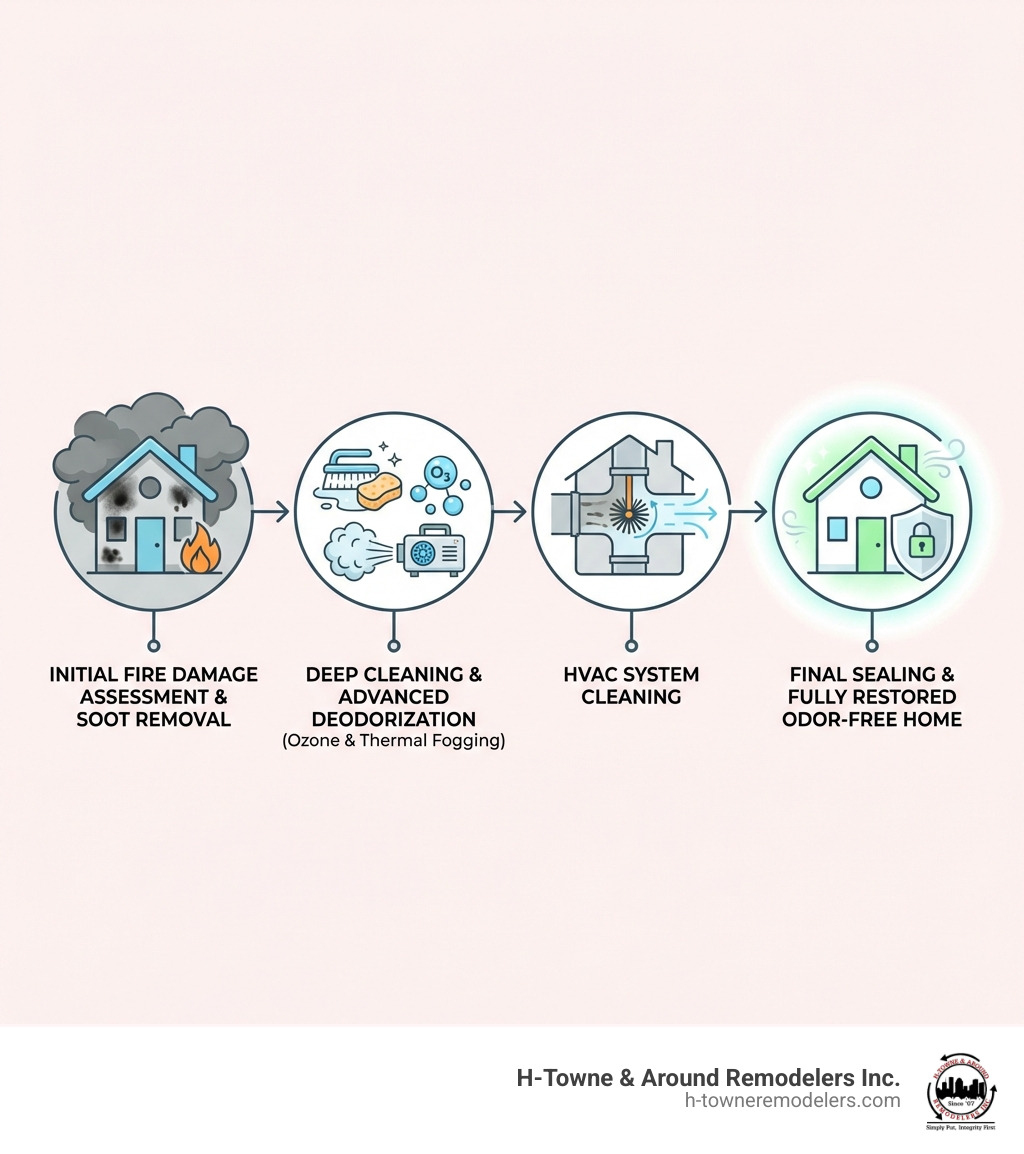
A professional service typically involves an initial assessment, soot removal, deep cleaning of all surfaces, advanced deodorization, HVAC cleaning, and final sealing to prevent odors from returning.
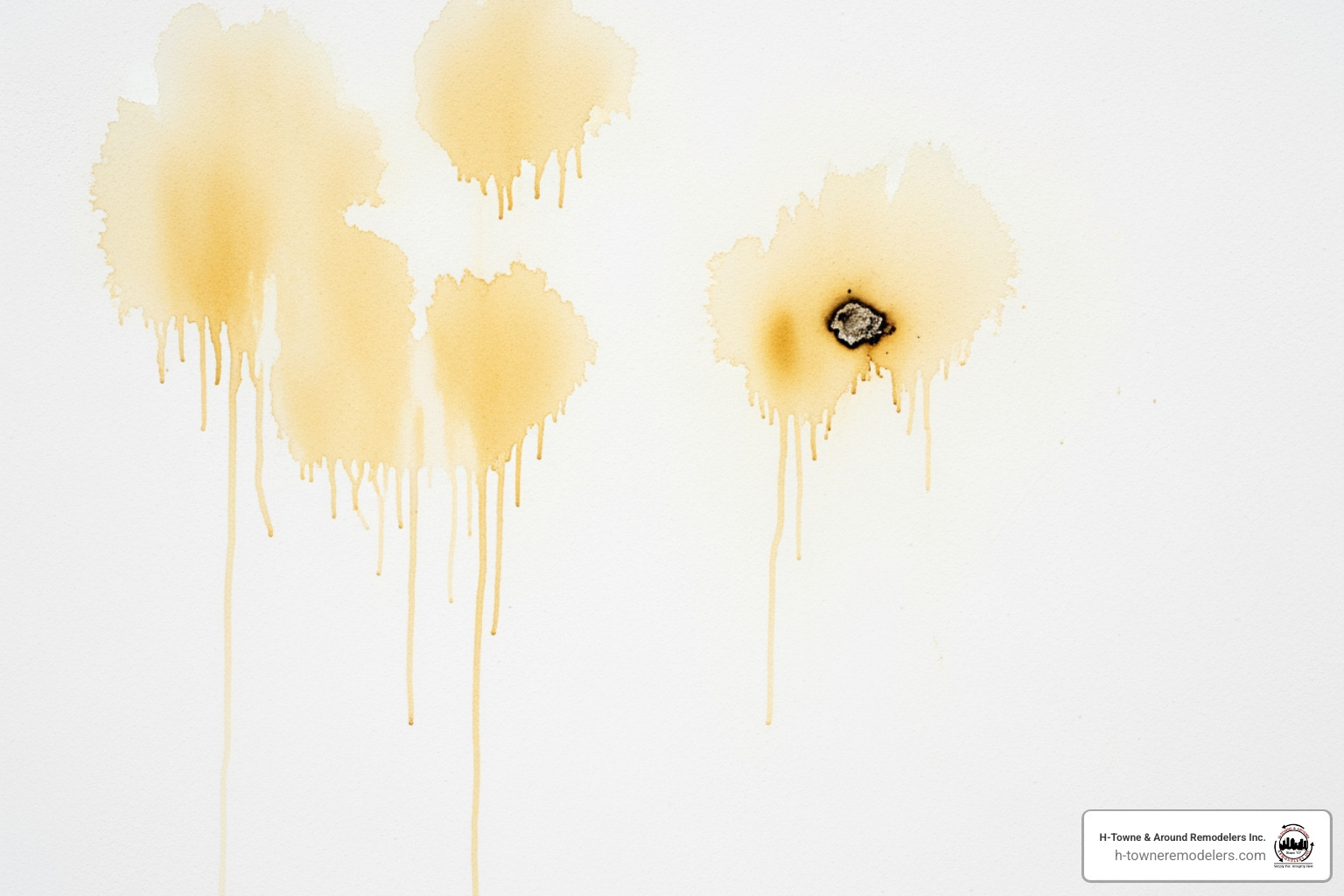
Smoke can discolor walls within minutes of a fire. The longer it lingers, the deeper it penetrates, making removal more difficult. More importantly, smoke and soot particles are Products of Incomplete Combustion (PIC), which are carcinogens and pose serious health risks. Untreated smoke damage can lead to permanent stains, worsening odors, and health issues for your family.
While many homeowners try DIY solutions like air fresheners or repainting, these only mask the problem temporarily. Professional smoke odor removal targets the root cause by eliminating odor particles from hard-to-reach areas.
I’m JR Smith, founder of H-Towne & Around Remodelers. For over 20 years, my team has helped Houston-area homeowners recover from fire and smoke damage. We have the specialized equipment and experience to restore your home to a safe, healthy condition.
Smoke odor removal service word roundup:
The Hidden Dangers and Causes of Smoke Odor
Beyond the visible char and soot from smoke damage, a more insidious problem lingers: the pervasive smoke odor. This isn’t just an unpleasant smell; it’s a complex chemical signature that can cause property damage and pose serious health risks. Understanding its origins is the first step toward effective remediation in your Houston-area home.
Primary Causes of Smoke Odor
Smoke odor can originate from various sources, each leaving a unique imprint on your home’s environment.
- House Fires: Burning materials like wood, plastics, and fabrics release a cocktail of volatile compounds. The fire’s intensity dictates how deeply odors penetrate.
- Wildfires: Smoke can travel for miles and seep into homes through vents and cracks, leaving a distinct odor that is difficult to remove from HVAC systems.
- Cigarette Smoke: Prolonged exposure creates a sticky, yellowish-brown residue (“third-hand smoke”) that is a potent source of persistent odor.
- Cooking Accidents: Burnt food, especially from “protein fires,” can leave a potent, acrid smoke odor that permeates kitchens and adjacent rooms.
- Furnace Malfunctions: A faulty furnace can emit and distribute soot and smoke throughout your home via the HVAC system.
Different Types of Smoke and Their Challenges
Understanding the type of smoke is crucial for an effective smoke odor removal service, as each presents unique challenges.
- Wet Smoke: From low-heat, smoldering fires, it leaves a sticky, smeary residue with a pungent odor that’s hard to clean.
- Dry Smoke: From fast-burning, high-temperature fires, it leaves a dry, powdery residue that is easier to clean but still embeds deeply.
- Protein Smoke: From burning food, this invisible smoke leaves an extremely strong, pervasive odor that discolors paints and varnishes.
- Fuel Oil Soot: From furnace issues, this creates a heavy, oily soot that spreads quickly.
- Synthetic Material Smoke: Burning items like upholstery or electronics releases complex chemical compounds, creating a highly toxic and difficult-to-remove odor.
Health Risks of Lingering Smoke
Lingering smoke odor poses significant health risks, not just a nuisance.
- Carcinogens: Smoke and soot particles are Products of Incomplete Combustion (PIC), which are dangerous carcinogens.
- Volatile Organic Compounds (VOCs): Smoke contains numerous VOCs that can cause headaches, nausea, and long-term effects on the liver, kidneys, and central nervous system.
- Respiratory Issues: Lingering smoke irritates the respiratory system, causing coughing and shortness of breath, especially for those with asthma or allergies.
- Eye and Throat Irritation: Particulate matter and chemicals in smoke can cause discomfort and inflammation.
- Secondhand and Third-Hand Smoke: Environmental tobacco smoke (ETS) contains over 7,000 compounds, with many linked to cancer, according to the EPA. You can find more information on secondhand smoke health risks according to the EPA. The sticky residue it leaves behind, or “third-hand smoke,” also contains carcinogens and damages surfaces.
Addressing the root cause with a professional smoke odor removal service is crucial for a safe and healthy home.
The Professional Smoke Odor Removal Service Process
When smoke invades your home, a professional smoke odor removal service employs a systematic, multi-step process to tackle everything from visible soot to microscopic odor molecules. At H-Towne & Around Remodelers, we follow a meticulous process to restore your property in Houston, Katy, or Lake Charles to its pre-loss condition.
Step 1: Initial Assessment and Inspection
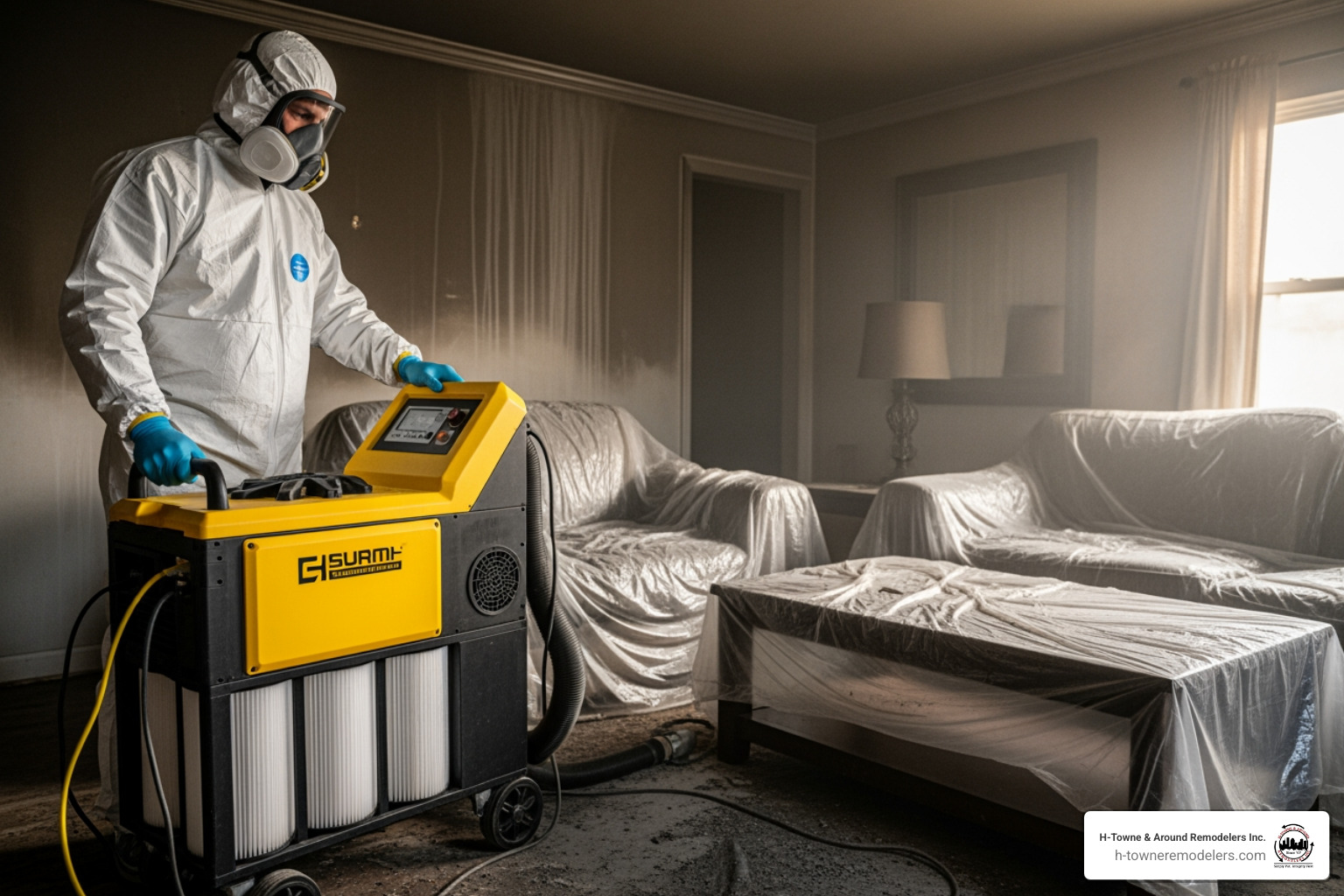
Every project begins with a thorough assessment. Our team inspects the property to determine the extent of the damage, identify the smoke source and type, and perform a safety check. Based on these findings, we create a comprehensive, customized restoration plan.
Step 2: Soot and Residue Removal
Soot and ash are acidic and corrosive, causing further damage if left untreated. We use specialized cleaning agents to safely remove soot and ash from all surfaces, including walls and ceilings. This professional approach prevents smearing and further embedding of soot, a common issue with DIY attempts.
For more information on how we handle restoring your home, please visit our page on home restoration services when you need it.
Step 3: Deep Cleaning and Sanitization
Since smoke odors penetrate deep into porous materials like drywall and wood, surface cleaning is not enough. We use specialized solutions to clean both porous and non-porous surfaces, as well as salvageable contents like furniture. Our team is trained in specific methods for cleaning upholstery and fabrics to remove embedded smoke particles.
Step 4: Advanced Deodorization Techniques
This step moves beyond cleaning to molecular neutralization. We use advanced technologies to eliminate odors from the air and deeply embedded surfaces.
- Thermal Fogging: A deodorizing “fog” mimics smoke’s behavior, penetrating hard-to-reach spaces to neutralize odor molecules on contact.
- Ozone and Hydroxyl Generators: Ozone (O3) is a powerful oxidizer that destroys odor molecules. Hydroxyl generators use a natural process to create highly reactive molecules that also eliminate odors and are safe for use in occupied spaces.
- Air Scrubbers with HEPA Filtration: These machines remove 99.97% of airborne particulates, including microscopic smoke and soot, significantly improving indoor air quality.
Unlike air fresheners that mask odors, these techniques provide a lasting solution.
Step 5: HVAC System and Duct Cleaning
The HVAC system can spread and retain smoke odor, re-contaminating your property. Our smoke odor removal service includes a thorough cleaning of your entire HVAC system and ductwork. We use specialized tools to remove soot and odor-causing particles, preventing recirculation and replacing all air filters.
Step 6: Sealing and Final Touches
The final steps ensure the odor is permanently eliminated. For deeply penetrated areas, we apply specialized odor-blocking sealants before priming and painting. This encapsulates any remaining odor molecules. Our team then conducts a rigorous final inspection to ensure your home is truly fresh, odor-free, and restored to our high standards.
DIY vs. Professional: Why Masking the Smell Isn’t Enough
When your home smells like smoke, it’s tempting to try a DIY fix. Homeowners often use methods like ventilation, baking soda, activated charcoal, white vinegar, and air fresheners. However, these approaches often fall short, merely masking the problem rather than solving it.
The Limitations of DIY and the Dangers of Masking
DIY methods have significant limitations when dealing with smoke odor.
- Temporary Solutions: Air fresheners only mask odors. Once the scent fades, the smoke smell returns because the odor-causing particles remain.
- Inability to Remove Soot: DIY cleaning can smear soot residue, driving it deeper into surfaces. Soot requires specialized solvents for effective removal.
- Failure to Address Porous Materials: Smoke penetrates deep into porous materials like drywall, wood, and carpets. DIY methods only address surface odors, leaving embedded particles untouched.
- Trapping Odors with Paint: Painting over smoke residue without proper cleaning and sealing traps the odor. Changes in temperature and humidity can cause the smell to leach back out.
- Health Risks: Some air fresheners contain chemicals that can irritate respiratory systems.
For anything beyond minimal smoke exposure, DIY methods are not enough. The complexity of smoke damage demands the expertise of a professional smoke odor removal service. Our team at H-Towne & Around Remodelers can handle the deep-seated issues that DIY approaches cannot. Learn more about our comprehensive approach to fire restoration.
| Feature | DIY Methods (e.g., Vinegar, Baking Soda, Air Fresheners) | Professional Techniques (e.g., Ozone, Thermal Fogging) |
|---|---|---|
| Effectiveness | Mask odors temporarily; limited removal of embedded particles. | Neutralizes odors at a molecular level; removes embedded particles; long-lasting results. |
| Cost | Low initial cost for household items. | Higher initial investment, but prevents long-term damage and health issues, potentially saving money in the long run. |
| Time | Ongoing effort with temporary results. | Efficient and targeted; typically 1-3 treatments; each treatment 15 mins – 2 hours. |
| Safety | Can pose health risks if masking agents are chemical-heavy; ineffective against carcinogens. | Uses EPA-approved products and specialized equipment; trained technicians ensure safe application and ventilation. |
| Scope | Surface-level cleaning; cannot address porous materials or HVAC systems. | Comprehensive; treats surfaces, porous materials, contents, and HVAC systems. |
Immediate Steps to Take After Smoke Exposure
Knowing what to do immediately after smoke damage can significantly impact the success of the smoke odor removal service and overall restoration. Your priority should always be safety first.
Safety First
Before cleaning or assessing damage, ensure the area is safe.
- Confirming Safety with Professionals: Do not reenter a fire-damaged space until firefighters give you clearance. The U.S. Fire Administration provides safety guidelines to follow. Entering prematurely can expose you to structural hazards and toxic fumes. You can find more guidelines from the U.S. Fire Administration safety guidelines.
- Electrical and Structural Hazards: Be aware of potential electrical hazards from water used to extinguish a fire. Also, a fire can compromise your home’s structural integrity, so wait for a professional assessment.
Mitigating Further Damage
Once it’s safe to enter, take these steps to mitigate further damage:
- Limit Movement: Avoid tracking soot into clean areas or embedding it deeper into carpets.
- Avoid Touching Surfaces: Oils from your skin can permanently set soot into walls and fabrics.
- Turn Off HVAC: If the system was running during the smoke event, turn it off immediately to prevent soot from circulating.
- Ventilate: If safe, open windows and doors to ventilate the property. Change the furnace air filter.
- Cover Clean Items: Use sheets or plastic to protect items in unaffected rooms from airborne soot.
Preparing for Your Professional Smoke odor removal service
Prepare for our professional smoke odor removal service with these steps:
- Document Damage: Take photos of the damaged property for your insurance claim.
- Contact Insurance: Report your claim promptly. We can work directly with your insurance company.
- Find a Reputable Service: Look for a local company with a strong track record in fire and smoke damage restoration, like H-Towne & Around Remodelers.
- Do Not Attempt Major Cleaning: For significant smoke odor, avoid major DIY cleaning. Incorrect methods can worsen the damage and increase restoration costs.
Frequently Asked Questions about Smoke Odor Removal
Here are answers to common questions we receive from Houston-area homeowners about professional smoke odor removal service.
How long does professional smoke odor removal take?
The timeline varies based on the severity of damage, property size, smoke type, and penetration depth. A single deodorization treatment can take 15 minutes to 2 hours, and 1-3 treatments may be needed. This doesn’t include time for cleaning, soot removal, or drying if water damage is also present. A complete service for a heavily affected property can take several days to a week or more. We provide a detailed timeline after our initial assessment.
What are the signs that I need a professional smoke odor removal service?
You likely need professional help if you notice:
- Persistent Odor: The smoke smell lingers despite basic cleaning and ventilation.
- Visible Soot: You see soot or yellowish-brown residue on walls, ceilings, or furniture.
- Odor Returns in Humidity: The smell is more noticeable on humid days or when the HVAC is running.
- Health Symptoms: Occupants experience headaches, coughing, or other respiratory irritation.
- Widespread Damage: Multiple rooms or the HVAC system are affected.
- Property Transaction: You are preparing to sell or rent a property with a history of smoking or fire.
Are the chemicals used in professional deodorization safe?
Yes, client safety is our top priority. We use EPA-approved products and our trained technicians follow strict safety protocols, including proper ventilation. Our products are safe for people and pets once the area has been properly ventilated, and we will advise you on safe re-entry times. Our goal is to neutralize odor molecules, not just mask them, leaving behind a truly fresh and safe environment. We will always communicate clearly about the products and processes used in our smoke odor removal service.
Restore Your Home and Your Peace of Mind
Dealing with smoke damage is overwhelming. Beyond the unpleasant smell, smoke odor poses health risks from carcinogens and VOCs and threatens your property’s value. While DIY methods offer a temporary fix, they cannot address the deep-seated nature of smoke damage, which embeds in porous materials and circulates through HVAC systems.
At H-Towne & Around Remodelers, we understand the challenges faced by homeowners in Houston, Katy, and surrounding areas. Our licensed and insured tradesmen have over 20 years of experience. We don’t just mask odors; we eliminate them at the molecular level, restoring your home to a clean, healthy, and fresh environment.
Choosing a professional smoke odor removal service means protecting your family’s health and preserving your property’s integrity with a long-lasting solution. Don’t let the lingering scent of smoke compromise the comfort and safety of your home.
Contact us for professional fire restoration services today. We’re here to help you breathe easy again.