
Storm Restoration Houston: 5 Resilient Solutions
Why Storm Restoration Houston Demands a Strategic Recovery Plan
Storm restoration Houston is a critical process that thousands of homeowners face every year due to the region’s vulnerability to hurricanes, tropical storms, severe thunderstorms, and flooding. Whether you’re dealing with roof damage, water intrusion, or complete structural repairs, understanding your options can save you time, money, and stress.
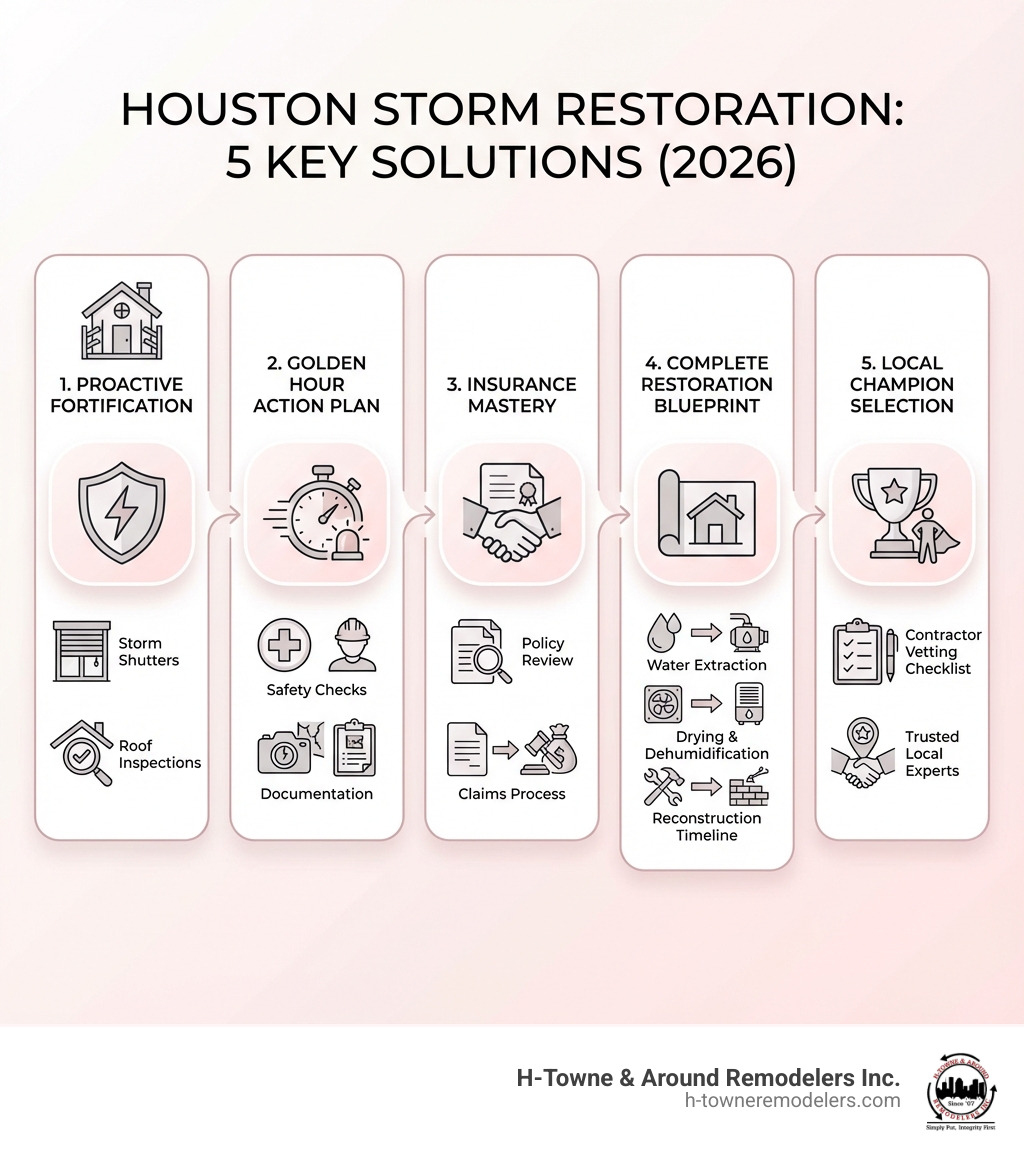
Quick Answer: The 5 Essential Solutions for Storm Restoration in Houston:
- Proactive Fortification – Strengthen your home before storms strike with impact-resistant windows, roof reinforcements, and proper drainage
- Immediate Post-Storm Action Plan – Document damage, secure your property with tarping and board-up services, and prioritize safety
- Insurance Claims Mastery – Steer wind vs. flood coverage, work effectively with adjusters, and appeal low settlement offers
- Professional Restoration Process – Follow a systematic approach from water extraction to reconstruction with proper permits
- Choosing a Local Expert – Partner with experienced, licensed contractors who understand Houston’s unique challenges
Texas is known for doing things big, and that includes its weather. Houston sits in a particularly vulnerable position along the Gulf Coast, where hurricanes can bring winds exceeding 90 mph, torrential rain, and catastrophic flooding. The aftermath can be overwhelming, but with the right knowledge and partners, recovery becomes manageable.
The storm restoration process typically involves immediate mitigation (24-48 hours), drying and dehumidification (3-5 days), mold prevention, debris removal, and full reconstruction which can take weeks to months depending on damage severity. Understanding each phase helps you set realistic expectations and make informed decisions about your home’s recovery.
I’m JR Smith, founder of H-Towne & Around Remodelers, and over my 20+ years in the construction industry, I’ve helped countless Houston-area families steer storm restoration Houston projects—from Hurricane Harvey’s devastating floods to the recent impacts of Hurricane Beryl. Our team combines hands-on expertise with a deep understanding of local building codes, insurance processes, and the unique challenges Gulf Coast homeowners face when rebuilding after severe weather events.
Solution 1: Proactive Fortification to Minimize Future Damage
When it comes to storm restoration Houston, the best offense is often a good defense. Proactive fortification of your home is not just about repairs; it’s about building resilience against the powerful weather systems that frequently visit our region. We believe in strengthening your home before the storm hits, which can significantly reduce the extent of damage and streamline any necessary restoration efforts. This includes everything from regular maintenance to strategic upgrades that prepare your property for whatever Mother Nature throws our way.

Our approach to storm prevention starts with comprehensive annual roof inspections. A healthy roof, like those often featuring GAF products with lifetime warranties, is your home’s first line of defense against high winds and heavy rains. We also emphasize consistent gutter maintenance to ensure proper drainage, preventing water from pooling and seeping into your home’s foundation or walls. Beyond the roof, we recommend considering impact-resistant windows and reinforcing doors, especially in areas prone to strong winds. Landscape management, such as trimming trees and securing outdoor assets, further reduces potential hazards. Finally, a crucial, often overlooked step is upgrading your insurance policies to ensure you have adequate coverage for both wind and flood damage. This foresight can make all the difference in a smooth recovery process. For more information on preparing for potential power outages, which often accompany severe weather, you can visit CenterPoint Energy’s Power Restoration and Safety Information .
How to Prepare Your Home’s Exterior
Your home’s exterior takes the brunt of Houston’s severe weather. Investing in quality roofing materials, such as those that come with a lifetime warranty, can provide unparalleled protection against hail and wind damage. We carefully inspect siding for any weaknesses that could allow water intrusion. Securing all outdoor assets, from patio furniture to grills, before a storm is also vital to prevent them from becoming dangerous projectiles. Tree trimming is another critical preventive measure; removing dead or overhanging branches significantly reduces the risk of fallen trees damaging your roof or property. Lastly, effective drainage solutions around your home are paramount to divert heavy rainfall away from your foundation, mitigating the risk of flooding.
Building a Resilient Interior
Beyond the exterior, making your home’s interior more resilient to storm damage is equally important for any comprehensive storm restoration Houston plan. Sump pumps, particularly in low-lying areas or basements, can be invaluable in preventing floodwaters from entering. For flooring, we often recommend water-resistant materials like tile, luxury vinyl plank, or engineered hardwood in vulnerable areas, as these are much more forgiving than traditional carpet or solid hardwood when exposed to moisture. Elevating utilities such as electrical panels, water heaters, and HVAC systems above potential flood levels can protect them from water damage. Finally, ensuring your home’s foundation is properly sealed helps prevent water seepage, a common issue in our humid climate. These steps can drastically reduce the scope of interior damage and potential mold growth, which can start in less than 24 hours after water intrusion.
Solution 2: Your “Golden Hour” Action Plan After the Storm
The moments immediately following a storm are what we call the “golden hour” for your home. Your actions during this critical period can significantly impact the safety of your family and the overall success of your storm restoration Houston efforts. Our priority, and yours, should always be safety first.
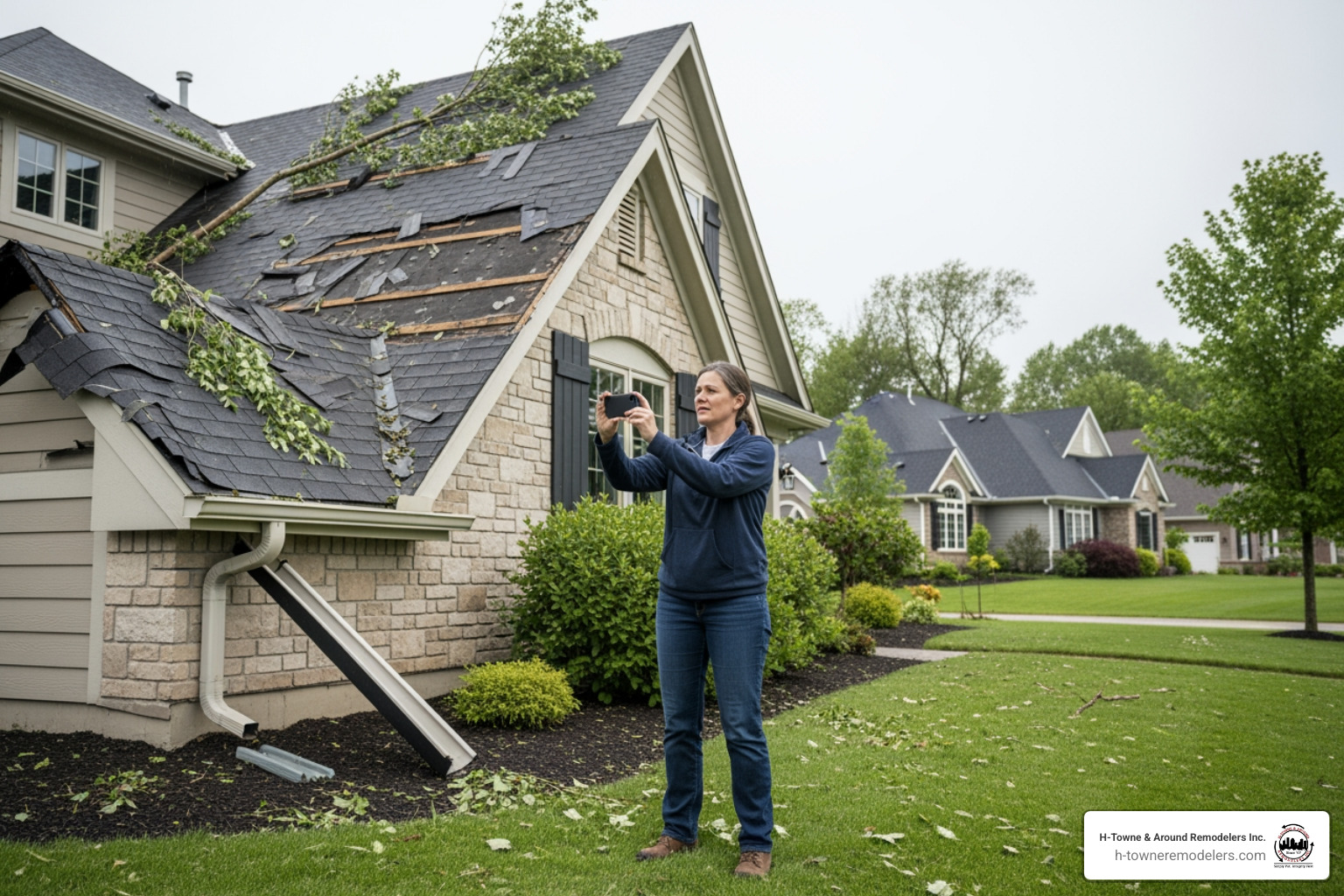
Once it’s safe to do so, begin by assessing the damage from a safe distance. Take clear, comprehensive photos of all damaged areas for insurance purposes. These images will be invaluable when filing your claim. Next, contact your insurance provider as soon as possible to report the damage. If your roof, windows, or doors are compromised, temporary repairs like roof tarping and board-up services are crucial to prevent further damage from the elements, animals, or unauthorized entry. We cannot stress enough the importance of avoiding hazards such as downed power lines – stay at least 10 feet away and report them immediately. For updates on power outages in your area, you can check the Electric outage center .
What to Do Immediately After a Houston Storm
Here’s a checklist of immediate safety steps we advise all homeowners to follow:
- Ensure family safety: Account for all family members and pets. If your home is severely damaged, evacuate to a safer location.
- Check for downed power lines: Assume any downed lines are live and extremely dangerous. Stay clear and report them to CenterPoint Energy immediately.
- Shut off utilities if necessary: If you suspect gas leaks (a rotten egg smell) or severe electrical damage, shut off your main gas line and electrical breaker. If you smell natural gas, leave the area immediately and call CenterPoint Energy from a safe, remote location (713-659-2111 or 888-876-5786). Do not use phones or anything that might cause a spark near a gas leak.
- Document everything: Take photos and videos of all damage, both inside and out, before any cleanup begins.
- Contact a professional: Once safety is secured, reach out to a trusted storm restoration Houston company like H-Towne & Around Remodelers for immediate assistance. We offer 24/7 emergency services for situations like these.
Common Types of Storm Damage in Houston
Houston’s diverse storm patterns lead to several common types of damage:
- Water Intrusion and Flooding: This is perhaps the most devastating, especially from hurricanes and tropical storms. Water can enter through roofs, windows, or overwhelm drainage systems, leading to widespread interior damage, mold, and structural issues. Hurricane Harvey taught us that cleanup efforts can last for months, and rebuilding can take years.
- Wind Damage: High winds can rip off shingles, siding, and even entire sections of roofs. They can also cause structural damage and turn outdoor objects into dangerous projectiles.
- Hail Damage: Severe thunderstorms often bring large hailstones that can dent roofs, siding, and vehicles. While sometimes subtle, hail damage can compromise your roof’s integrity, leading to leaks down the line.
- Roof Leaks: A direct consequence of wind, hail, or heavy rain, roof leaks are common and can quickly lead to extensive interior water damage if not addressed promptly.
- Siding Damage: Wind, hail, and flying debris can crack, dent, or detach siding, leaving your home vulnerable to moisture.
- Fallen Trees or Branches: Strong winds can bring down trees, causing significant damage to roofs, walls, or even entire structures.
Solution 3: Mastering the Insurance Maze for Maximum Coverage
Navigating insurance claims after storm damage can be one of the most challenging aspects of storm restoration Houston. It’s a complex process, but understanding your rights and how to work effectively with adjusters can make a significant difference in securing the coverage you deserve. We’ve seen how crucial it is for homeowners to be informed advocates for their property.
Navigating Insurance for Storm Restoration Houston
When filing an insurance claim, remember these key points:
- Filing a Claim: Report your claim to your insurance company as promptly as possible. Delay can sometimes complicate the process.
- Deductibles: Understand your policy’s deductibles, as these are the amounts you’ll pay out-of-pocket before your coverage kicks in.
- Additional Living Expenses (ALE): For wind claims, ALE often covers costs if your home is uninhabitable during repairs. However, it’s important to note that ALE is typically not covered for flood insurance claims.
- Choosing Your Own Contractor: Many insurance companies will recommend contractors, but you have the legal right to choose your own. We encourage you to select a reputable storm restoration Houston company like ours, one that you trust and that has your best interests at heart.
- Using Adjuster Software: We work directly with your insurance company and adjusters, often using the same software and tools they do. This helps us speak their language and secure the maximum coverage for your renovation and restoration.
- Documenting Expenses: Keep meticulous records and receipts for all expenditures related to securing your home and any temporary living expenses.
- Appealing Low Offers: If you believe the settlement offer is too low, don’t hesitate to file an appeal. Ask for the insurer’s position in writing. For flood insurance claims, which fall under the National Flood Insurance Program, complaints should be directed to the Federal Emergency Management Agency (FEMA).
Financing and Budgeting for Repairs
Even with insurance, the financial burden of storm damage can be substantial. Understanding your insurance payout is the first step. For any gaps, or for upgrades you choose to make during the restoration, we can help explore financing options. Companies like GreenSky, for example, offer solutions that can make significant home improvement projects more accessible. When planning, it’s always wise to create a detailed budget, accounting for your insurance coverage, potential financing, and a contingency fund for any unexpected costs that might arise during the storm restoration Houston process. We believe cost should not be a prohibitive factor in restoring your home to its pre-damaged state, or even better.
The Complete Blueprint for Storm Restoration Houston
Once the immediate aftermath is managed and insurance details are in motion, the physical work of storm restoration Houston begins. This is where a systematic, thorough approach is essential to ensure your home is not just repaired, but fully restored and often improved.
Our comprehensive restoration process covers everything from initial water extraction to the final touches of reconstruction. We understand that every minute counts, especially with water damage, where mold spores can begin to form in less than 24 hours. Our multi-generational, licensed, and insured tradesmen are equipped with the latest tools and technology to handle every phase of your project.
The Typical Restoration Process and Timeline
While every project is unique, a typical storm restoration Houston journey follows these general phases:
- Initial Assessment (Day 1): We conduct a thorough inspection to determine the full extent of the damage, both visible and hidden. This forms the basis of our restoration plan and helps with insurance claims.
- Water and Debris Removal (1-3 Days): This critical phase involves extracting standing water, removing saturated materials like flooring and sheetrock, and clearing away debris.
- Drying and Dehumidifying (3-5 Days): Using specialized equipment, we thoroughly dry out affected areas to prevent mold growth and further structural damage. Even if a wall or floor feels dry, there can be hidden moisture.
- Cleaning and Sanitizing (1-2 Days): All affected surfaces are cleaned and sanitized to eliminate contaminants and prepare for reconstruction. This is particularly vital in flood situations. Mold remediation is a key part of this step.
- Reconstruction (Weeks to Months): This is the rebuilding phase, where we repair or replace damaged structures, walls, flooring, cabinetry, and more. Minor repairs might take a few days, but extensive damage can require weeks or even months. For catastrophic events like Hurricane Harvey, full repairs and rebuilding can take years.
Permits and Regulations for Houston Storm Repairs
In Houston and surrounding areas like Cypress, Katy, Tomball, and The Woodlands, specific regulations and permits are often required for storm damage repairs. It’s crucial to adhere to these local building codes to ensure safety and compliance. We handle all necessary City of Houston permits, ensuring that all electrical, plumbing, and mechanical work is subcontracted to licensed professionals, as required by the State of Texas. Navigating these requirements can be complex, but our experienced team ensures every step meets regulatory standards, giving you peace of mind.
Solution 5: Choosing Your Local Champion for a Seamless Recovery
When facing the daunting task of storm restoration Houston, the choice of your restoration partner is paramount. You need a team that not only understands the intricacies of construction but also the unique challenges and regulations of our local community. We believe in being that local champion for our neighbors.
Vetting contractors is a critical step. Always check for proper licensing and verify their insurance coverage. Reading reviews and asking for local references can provide invaluable insight into their reputation and quality of work. Finally, always ensure you fully understand the contract before signing anything.
Key Factors in Choosing a Partner for Storm Restoration Houston
When you choose a partner for your storm restoration Houston project, look for these essential qualities:
- Local Experience: We bring over 20 years of experience specifically in the Greater Houston area, including Cypress, Katy, Tomball, and The Woodlands, and even Lake Charles, Louisiana. This means we understand the local climate, building styles, and common storm damage patterns.
- Multi-Generational Tradesmen: Our team is comprised of highly experienced, multi-generational, licensed, and insured tradesmen. This blend of seasoned expertise and fresh perspectives ensures exceptional quality and craftsmanship.
- BBB Rating: A strong A+ rating from the Better Business Bureau indicates a commitment to customer satisfaction and ethical business practices.
- Customer Testimonials: Look for companies with consistently positive customer feedback, reflecting responsiveness, professionalism, and quality of work. For example, some local companies boast Google Reviews ratings of 4.9 or higher.
- Quality of Materials: We prioritize the use of high-quality, durable materials, such as GAF roofing products with lifetime warranties, to ensure your repairs are built to last.
The Benefits of a Local Houston Company
Choosing a local storm restoration Houston company like H-Towne & Around Remodelers offers distinct advantages:
- Faster Response Times: Being local means we can respond quickly to emergencies, providing immediate roof tarping or board-up services when you need them most.
- Knowledge of Local Codes: Our deep understanding of Houston’s specific building codes and permit requirements ensures a smooth, compliant restoration process.
- Community Reputation: Our reputation is built on trust and quality within the communities we serve, from Memorial Area Houston to Sugar Land and Pearland. We’re your neighbors, and we’re invested in your recovery.
- Supporting Local Economy: By choosing local, you’re investing directly back into our community, helping to rebuild and strengthen our local economy.
- Post-Project Support: We’re here for the long haul, offering continued support and standing by our work long after the project is complete.
Frequently Asked Questions about Houston Storm Recovery
How long does the home restoration process usually take?
The timeline for storm restoration Houston varies significantly based on the extent and type of damage. Minor repairs, such as localized roof or siding fixes, might take a few days. However, extensive damage involving water intrusion, structural issues, or widespread reconstruction can take weeks or even months. For example, major events like Hurricane Harvey demonstrated that while immediate cleanup efforts can take months, the full rebuilding and residential repairs can extend for years. The process generally involves initial assessment, emergency mitigation, water extraction and drying (typically 3-5 days), cleaning, and then the reconstruction phase, which is the most variable in terms of duration.
Will my insurance cover all storm damage restoration?
Coverage for storm restoration Houston depends entirely on the specifics of your individual insurance policy. Standard homeowner policies typically cover damage from wind and hail. However, flood damage usually requires a separate policy, most commonly obtained through the National Flood Insurance Program (NFIP). It’s crucial to review your policy details carefully and speak directly with your insurance agent to understand what is covered, your deductibles, and any exclusions. We can assist you in navigating this complex process to help maximize your claim.
What are the most common types of storm damage in Houston?
Given its location on the Gulf Coast, Houston regularly experiences several types of severe weather, leading to common forms of storm damage. These include:
- Roof Damage: Often caused by high winds (leading to missing shingles or structural compromise) and hail (dents, cracks, or punctures).
- Widespread Flooding and Water Intrusion: A significant threat from hurricanes, tropical storms, and heavy rain events, leading to interior water damage, mold growth, and structural issues.
- Wind Damage: Beyond roofs, strong winds can damage siding, windows, fences, and cause trees to fall, impacting homes and property.
- Fallen Trees or Branches: A frequent occurrence during severe thunderstorms and hurricanes, resulting in direct impact damage to structures.
- Mold Growth: A rapid consequence of any water intrusion, often appearing within 24-48 hours if not properly mitigated.
Conclusion: Rebuilding Your Houston Home Stronger Than Before
Navigating the aftermath of a storm in Houston can feel overwhelming, but with the right strategic approach, it becomes an opportunity to rebuild your home stronger, safer, and more beautiful than before. Our five unique solutions for storm restoration Houston—proactive fortification, a swift “golden hour” action plan, mastering the insurance maze, engaging in a complete restoration blueprint, and choosing a trusted local champion—provide a clear path forward.
We believe that knowledge is power, and by understanding each step of the process, you empower yourself to make informed decisions for your home and family. At H-Towne & Around Remodelers Inc., we are more than just contractors; we are your neighbors, committed to helping our community recover and thrive. Our multi-generational team, with decades of experience and a deep understanding of Houston’s unique challenges, is ready to guide you through every phase of your recovery.
Don’t let storm damage define your home. Let us help you transform it. Begin your storm damage restoration project today and experience the peace of mind that comes with partnering with Houston’s trusted experts.