
Fire Damage Home: #1 Guide to Safe Recovery
Understanding the Devastating Impact of Fire on Your Home
Fire damage home situations are among the most traumatic experiences a homeowner can face. If you’ve just experienced a fire, here’s what you need to know immediately:
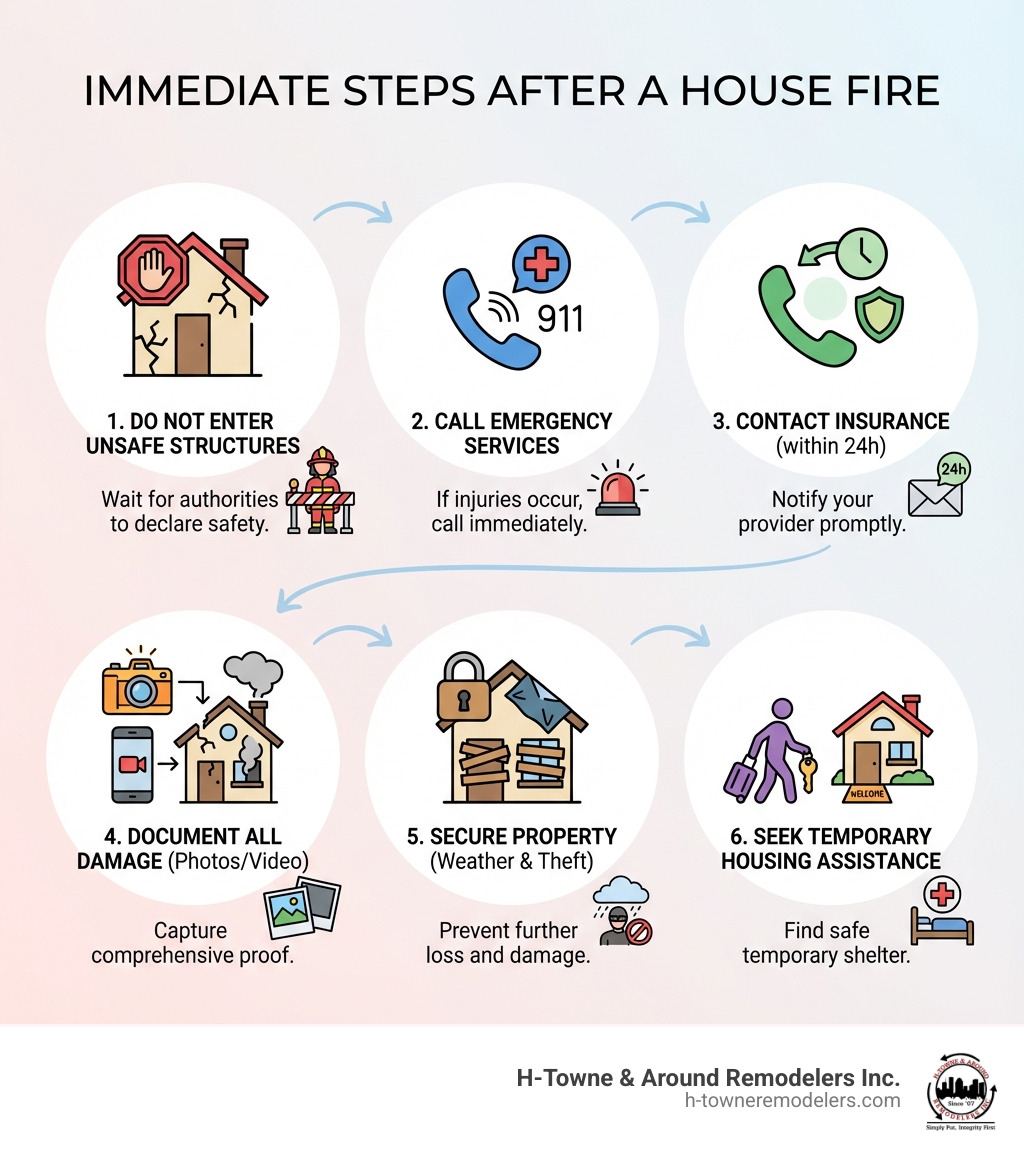
Immediate Actions After a Home Fire:
- Do not enter until authorities declare it safe
- Call 9-1-1 if anyone is injured
- Contact your insurance company within 24 hours
- Document everything with photos and videos
- Secure the property to prevent further damage
- Seek temporary shelter (Red Cross can help)
The statistics paint a sobering picture. In 2022, U.S. fire departments responded to 352,500 home structure fires, causing $11.5 billion in property damage. But these numbers don’t capture the emotional toll—the loss of irreplaceable memories, the disruption to daily life, or the overwhelming uncertainty about where to begin.
Fire damage extends far beyond what flames touch. Smoke infiltrates every surface. Soot settles into fabrics and porous materials. Water from firefighting efforts saturates walls and floors. Corrosive residues from burned synthetic materials can etch metal fixtures and damage belongings days or weeks after the fire is extinguished. The longer these contaminants remain, the more severe the damage becomes.
This guide walks you through every critical step—from the first 24 hours after a fire through assessment, restoration, insurance claims, and long-term recovery. You’ll learn when DIY efforts make sense, when professionals are essential, and how to protect both your property and your family’s health.
I’m JR Smith, founder of H-Towne & Around Remodelers, and I’ve spent over 20 years helping Houston-area homeowners recover from disasters including fire damage home restoration projects. My team and I understand that behind every fire damage home project is a family seeking to rebuild their lives, and we’re here to guide you through this challenging journey with integrity and care.
First 24 Hours: Immediate Steps After a Home Fire
Experiencing a fire in your home is a deeply emotional and physically taxing event. Our first and most important advice is always to prioritize the safety and well-being of yourself and your loved ones. The seconds and minutes immediately following a fire can be chaotic, but taking specific, measured steps can make a significant difference in your recovery process.
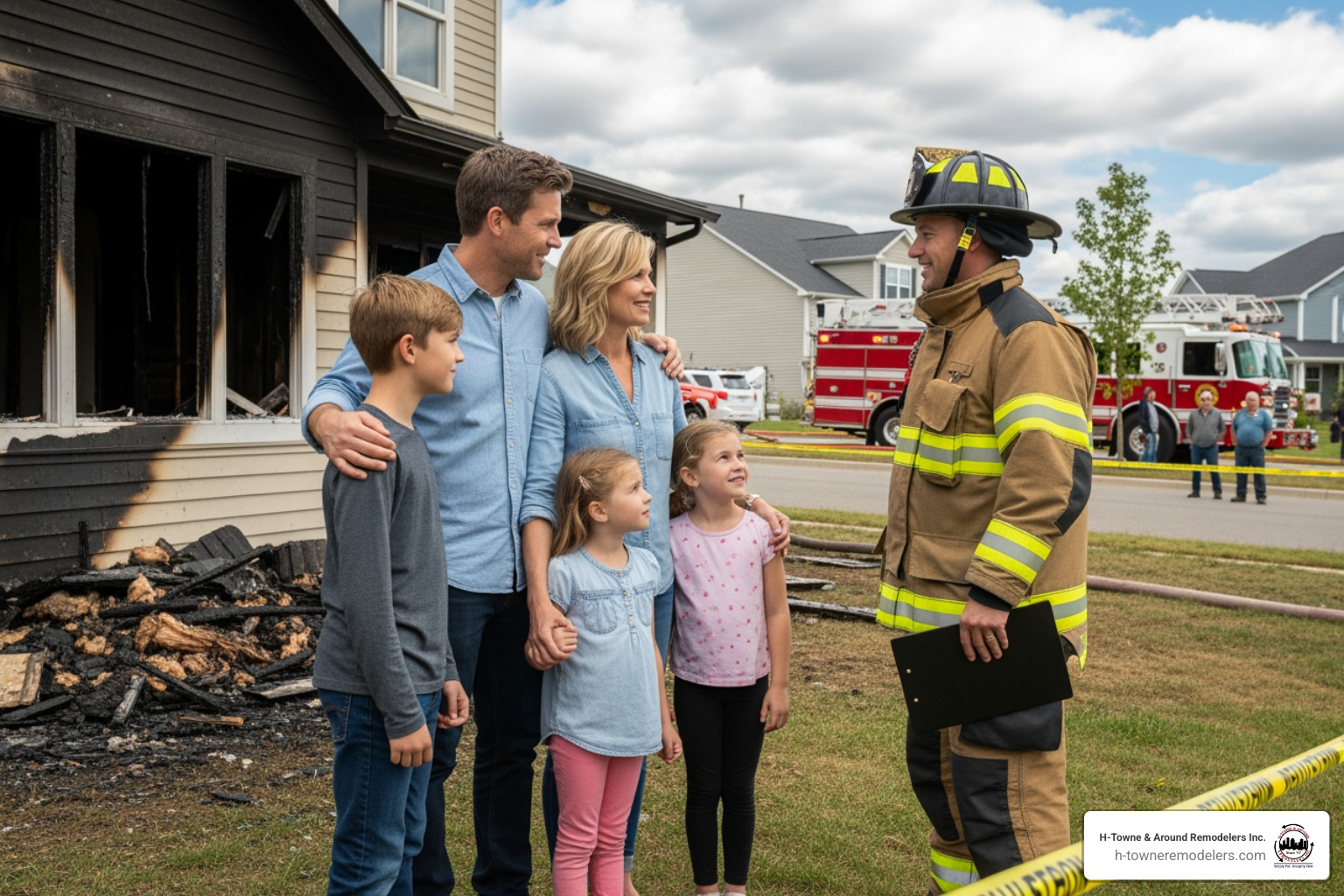
Once everyone is safely out of the house, and 9-1-1 has been called, there are several crucial actions to take. The American Red Cross emphasizes these immediate steps for your safety and to begin the recovery process. Provide first aid for any injuries, such as cooling and covering burns. Inform friends and family that you are safe, and transport seriously injured individuals or pets to professional medical help. Most importantly, stay out of your fire-damaged home until authorities deem it safe.
Within the first 24 hours, contacting your insurance company is paramount. This initial notification sets the claims process in motion. Additionally, securing the property against further damage, weather, or theft is vital. This might involve boarding up windows or covering damaged sections of the roof. Local disaster relief organizations, like the Red Cross, can also provide immediate assistance with food, clothing, medicine, and shelter during this challenging time. For more comprehensive guidance on what to do, the Red Cross offers valuable resources on What To Do After A Home Fire .
When is it Safe to Re-enter?
We understand the urge to re-enter your home immediately after a fire—to assess the damage, retrieve valuables, or simply to feel a sense of control. However, this can be extremely dangerous. It is never safe to re-enter your fire-damaged home until the fire department or other authorized officials have given you explicit clearance. They will assess the structure for stability and address immediate hazards.
Even after the fire is out, your home can pose significant risks:
- Structural Hazards: Fire can severely compromise the integrity of walls, floors, and ceilings. What looks stable could collapse without warning. The Red Cross advises caution with sagging ceilings or floors, noting that they could collapse under your weight.
- Electrical Risks: Water from firefighting efforts combined with damaged electrical wiring creates a serious electrocution hazard. Live wires might be hidden within debris or water.
- Air Quality Concerns: Smoke, soot, and burned materials release toxic chemicals and particles that can be harmful if inhaled. These can linger in the air for extended periods, even if visible smoke has cleared.
Initial Contacts to Make
Navigating the aftermath of a home fire requires coordination with several key parties. We recommend making these essential contacts as soon as possible:
- Your Insurance Agent: This is your first call after ensuring safety. They will guide you through the claims process, help you understand your policy, and provide recommendations for next steps, including reputable restoration services.
- Landlord or Mortgage Company: If you rent, notify your landlord. If you own your home, inform your mortgage lender about the damage.
- Local Disaster Relief Organizations: Groups like the American Red Cross can offer immediate assistance, including temporary housing, food, and emotional support.
- Restoration Company: A professional fire damage restoration company, like us at H-Towne & Around Remodelers, can begin the assessment and mitigation process once it’s safe. A quick response is crucial in preventing further damage.
- Utility Companies: Ensure your gas, electricity, and water lines are safely shut off and inspected before any attempt to re-enter or begin cleanup.
Assessing the Scope of Damage
Once authorities have declared your home safe to enter, a thorough assessment of the damage begins. This phase is critical for understanding the extent of the loss, planning the restoration, and filing a comprehensive insurance claim. While you might be eager to start cleaning, a professional assessment is always recommended.
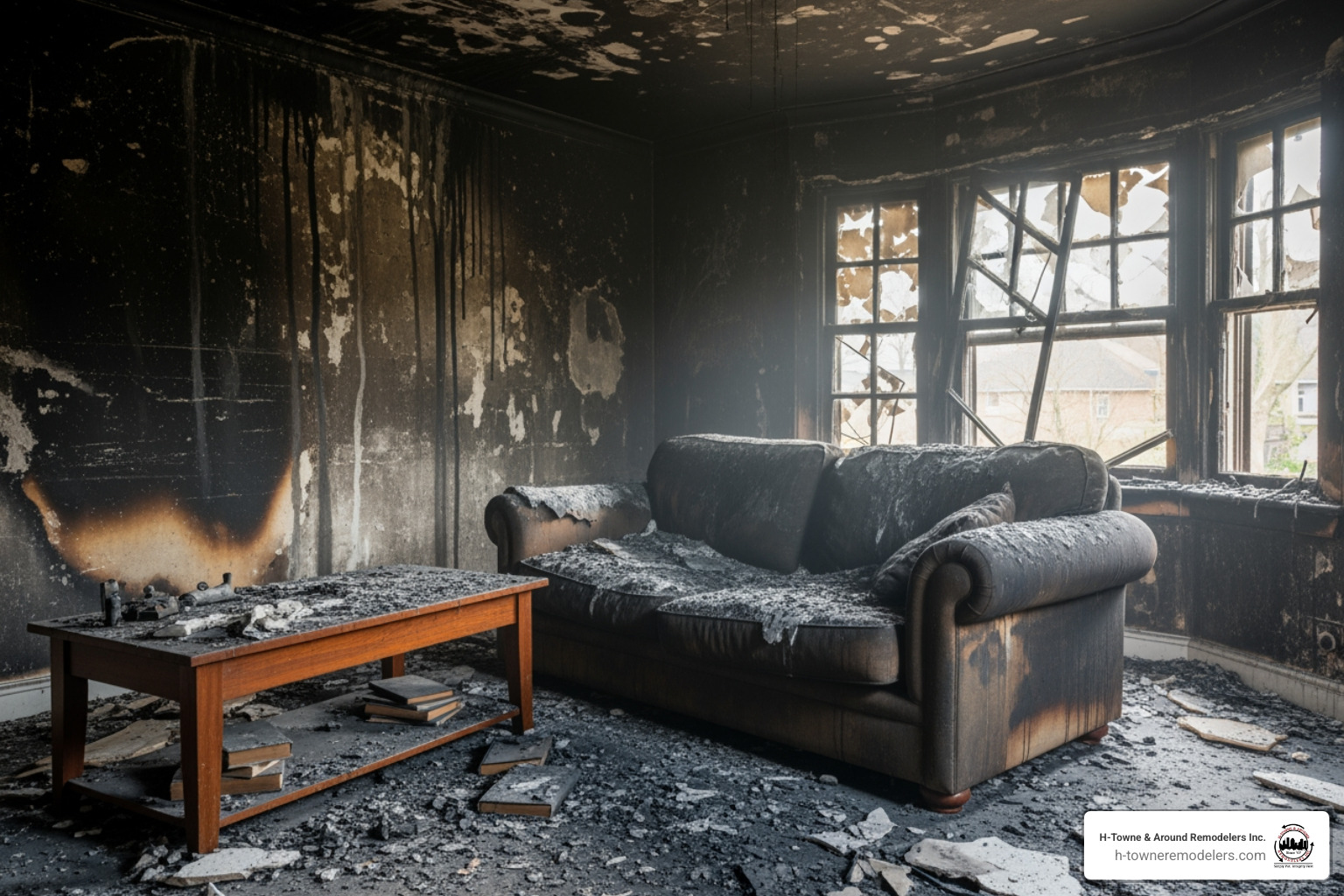
Before any cleanup begins, documenting everything is paramount. Take extensive photos and videos of all damaged areas, both inside and outside your home. This visual evidence will be invaluable for your insurance claim. Create a detailed inventory of lost or damaged items, noting their condition, estimated value, and when they were purchased. Do not discard any damaged goods until your insurance adjuster has seen them or given you permission.
Understanding the Types of Fire Damage
Fire damage is rarely uniform. It presents in various forms, each requiring specific restoration techniques:
- Flame Damage: This is the most obvious—the direct charring, burning, and destruction of materials by fire itself. Structural elements, furniture, and personal belongings can be completely consumed.
- Heat Damage: Even materials not directly touched by flames can suffer from intense heat. Plastics melt, metals warp, glass cracks, and finishes blister or peel. This heat can also weaken structural components, making them unsafe.
- Smoke Damage: Smoke is a complex mixture of gases and particulate matter that penetrates every porous surface. It leaves behind a pervasive odor and can cause discoloration. The FEMA Homeowner’s Guide notes that smoke can cause significant physical damage and health issues even if the home is not destroyed by fire.
- Soot Damage (Wet vs. Dry): Soot is the fine, black, powdery residue from incomplete combustion.
- Dry Soot: Typically results from fast-burning fires (e.g., wood, paper). It’s powdery and often easier to clean but can be abrasive.
- Wet Soot: Results from slow-burning fires involving synthetic materials (e.g., plastics, rubber). It’s sticky, smeary, and much harder to remove. It also often contains corrosive elements.
- Corrosion from Synthetics: A critical insight from industry experts is that modern homes, filled with synthetic materials in furniture and flooring, create corrosive acids and gases when burned. These chemicals can cause pitting or etching on metal surfaces and deteriorate vital assets if not treated quickly. The longer the delay in cleanup, the more profound this corrosive harm becomes.
For more in-depth information on how to handle smoke damage, refer to the Homeowner’s Guide to Remediation of Residential Smoke Damage .
The Hidden Impact of Water Damage from Firefighting
While the fire itself is the primary destructive force, the efforts to extinguish it often introduce another significant challenge: water damage. Firefighters use vast amounts of water, which can saturate every part of your home, leading to a cascade of secondary issues:
- Water Saturation: Walls, ceilings, floors, insulation, and personal belongings can become completely soaked. This added weight can further stress an already compromised structure.
- Structural Weakening: Water can cause wood to swell, drywall to sag or crumble, and can accelerate the deterioration of building materials. If left unaddressed, this can lead to long-term structural problems.
- Mold and Mildew Growth: This is perhaps the most insidious consequence. Mold and mildew can begin to grow within 24-48 hours in damp conditions, posing significant health risks and requiring extensive remediation. Prompt water removal and drying are crucial to prevent this.
- Damaged Electrical Systems: Water can short-circuit electrical systems, creating hazards and requiring professional inspection and repair before power can be safely restored.
Addressing water damage promptly is just as important as addressing fire and smoke damage. For more information on how we handle water-related issues, please visit our page on storm and flood damage restoration.
The Fire Damage Home Restoration Process
When your home has suffered from fire, smoke, and water damage, the path to recovery might seem daunting. This is where professional fire damage restoration services become invaluable. The importance of a quick response time in fire damage restoration cannot be overstated. The longer contaminants like soot and corrosive residues remain, the more deeply they embed, making restoration more complex and potentially unsalvageable for certain items.
Our primary goal in any fire damage home restoration project is to prevent secondary damage and return your property to its pre-fire condition, restoring not just your house, but your peace of mind. We understand the emotional toll this takes, and we’re committed to guiding you through every step.
Key Steps in Professional Restoration
A comprehensive fire damage restoration process involves multiple specialized stages:
- Damage Assessment: Our experienced team conducts a thorough evaluation of all affected areas, identifying primary fire, smoke, and water damage, as well as potential structural issues and hidden hazards.
- Board-Up and Tarping: To protect your property from further damage, weather, and theft, we secure compromised windows, doors, and roof sections with temporary board-ups and tarps.
- Water Removal and Drying: If firefighting efforts caused water damage, we use powerful pumps and industrial-grade dehumidifiers to quickly extract water and thoroughly dry the structure. This is critical to prevent mold growth.
- Soot and Smoke Removal: Specialized techniques are employed to remove soot from surfaces, contents, and the air. This includes using HEPA vacuums and specialized cleaning agents designed to safely lift and remove different types of soot.
- Cleaning and Sanitizing: All salvageable items and structural elements are carefully cleaned, sanitized, and disinfected to remove residues and prepare them for deodorization.
- Deodorization: Smoke odors are notoriously persistent. We use advanced techniques, such as ozone generators and thermal fogging, to neutralize and eliminate embedded smoke odors from porous materials and the entire property.
- Repairs and Remodeling Services: Once the cleaning and mitigation are complete, we begin the reconstruction phase. This can range from minor repairs to extensive rebuilding, ensuring your home is restored structurally and aesthetically to its original or even improved state. We offer comprehensive remodeling services to address all your needs.
DIY Cleaning vs. Hiring Professionals for a Fire Damage Home
When faced with a fire damage home, many homeowners wonder if they can handle the cleanup themselves. The answer often depends on the severity and type of damage.
- Minor Smoke Odor vs. Heavy Soot: For very light smoke odors with no visible soot, basic ventilation, cleaning with mild detergents, and activated charcoal might help. However, anything beyond this, especially visible soot or strong, pervasive odors, typically requires professional intervention. The FEMA guide suggests DIY for light smoke damage (odor only) and moderate smoke damage (light soot), but emphasizes professional help for heavy damage.
- Health Risks of DIY: Soot, especially from synthetic materials, contains harmful chemicals. Without proper personal protective equipment (PPE) and ventilation, you risk inhaling these toxins, causing respiratory issues. Mold, if present, also poses significant health hazards.
- Specialized Equipment Needs: Professionals have access to industrial-grade equipment like HEPA air scrubbers, ozone generators, thermal foggers, and specialized cleaning agents that are far more effective than household products. They also understand how different materials react to various cleaning methods.
- Structural Concerns: A DIY approach cannot accurately assess or address underlying structural damage, which could lead to unsafe conditions or costly future repairs.
- When to Call a Professional: If your home has sustained anything beyond very superficial, localized smoke damage, or if water damage is present, hiring professionals is not just recommended—it’s essential. Their expertise ensures thorough cleaning, proper deodorization, and safe restoration, preventing secondary damage and protecting your health. For detailed information on our specialized services, explore our fire restoration page.
Health, Safety, and Structural Integrity
Beyond the visible destruction, a fire damage home can pose serious threats to the health and safety of its occupants. Our commitment extends not only to restoring your property but also to ensuring the long-term well-being of your family.
The physical and emotional toll of a fire can be immense. While we focus on the physical repairs, remember to seek support for emotional recovery as well. Organizations like the Red Cross offer resources to help individuals cope with the psychological stress of such a traumatic event.
Potential Health Risks from a Fire Damaged Home
Exposure to a fire-damaged environment can lead to several health issues:
- Smoke Inhalation: Even after the fire is out, residual smoke particles can irritate the respiratory system, potentially causing long-term lung problems. Smoke can contain carcinogens and other harmful substances.
- Soot Exposure: Soot particles are tiny (around 0.1 micrometers) and can easily be inhaled, penetrating deep into the lungs. They can also cause skin and eye irritation.
- Asbestos and Lead: In older homes (built before 1980 for asbestos, before 1978 for lead paint), fire can disturb these hazardous materials, releasing dangerous fibers or dust into the air.
- Mold Exposure: As discussed, water used to fight the fire can lead to rapid mold growth. Mold spores can trigger allergies, asthma attacks, and other respiratory issues.
- Psychological Stress: The trauma of a fire can lead to anxiety, depression, and PTSD, affecting mental health long after the physical damage is addressed.
Identifying Signs of Structural Damage
The safety of your home’s structure is paramount. Fire and water can severely compromise its integrity. It’s crucial for professionals to identify these signs:
- Sagging Ceilings or Floors: This is a clear indicator of structural weakness, often due to water saturation or compromised support beams. The Red Cross warns against walking on sagging floors.
- Warped Walls: Heat can cause studs and drywall to warp, affecting the stability of walls.
- Cracked Foundations: Intense heat can cause concrete foundations to crack, compromising the entire structure.
- Weakened Joists and Trusses: The wooden framework of your home, including floor joists and roof trusses, can be weakened by fire, making them unstable. Building on weakened joists or distorted floors can lead to costly future repairs that may not be covered by insurance.
- Compromised Roof Integrity: Fire can burn through roofing materials, and water can saturate the underlying structure, leading to leaks and potential collapse.
A thorough inspection by experienced professionals is essential to identify and address these hidden dangers, ensuring your home is safe to inhabit once again.
Navigating Insurance and Long-Term Recovery
Dealing with the aftermath of a fire damage home incident involves not only physical restoration but also navigating the complexities of insurance claims and planning for long-term recovery. This phase can be as challenging as the cleanup itself, but with the right approach, you can ensure a smoother process.
The first step, as we mentioned, is to file your claim promptly. Your insurance company will assign an adjuster to evaluate the damage. It’s crucial to work closely with them, providing all the documentation you’ve gathered (photos, videos, inventory lists). Understanding your policy is key; familiarize yourself with terms like Actual Cash Value (ACV) versus Replacement Cost Value (RCV), as these determine how much you’ll receive for damaged items. Many policies also include Additional Living Expenses (ALE), which covers costs for temporary housing, food, and other necessities while your home is being restored. Keep meticulous records of all expenses incurred.
Preparing for the Future: Fire Prevention and Mitigation
While we hope you never experience another fire, preparing your home to minimize risks is a vital step in long-term recovery and peace of mind.
- Smoke Alarms: Install smoke alarms on every level of your home, in each bedroom, and outside sleeping areas. Test them monthly and replace batteries annually.
- Fire Extinguishers: Keep fire extinguishers readily accessible in key areas like the kitchen and utility room. Ensure they are correctly rated for the types of fires that could occur in those locations (e.g., grease fires in the kitchen).
- Electrical Safety Checks: Avoid overloading electrical circuits. Regularly check extension cords for damage and ensure your fuse box or circuit breaker panel is up to code. Unexplained high utility bills can sometimes be a sign of electrical issues.
- Creating an Escape Plan: Develop and practice a fire escape plan with your family. Identify two ways out of every room and establish a designated meeting point outside your home.
- Regular Furnace and Chimney Cleaning: Schedule annual service for your furnace, heating systems, and chimneys. This prevents dangerous buildup and ensures proper functioning. In fact, cooking equipment is the leading cause of home fires, accounting for almost half of all reported home fires and injuries.
By taking these proactive steps, you can significantly reduce the risk of future fires and protect your home and family.
Conclusion
Recovering from a fire damage home incident is a journey, not a sprint. It demands immediate action, careful assessment, professional restoration, and diligent planning. We’ve walked through the critical steps: prioritizing safety in the immediate aftermath, understanding the multifaceted nature of fire, smoke, and water damage, navigating the professional restoration process, addressing health and structural concerns, and managing insurance claims while preparing for a safer future.
Safety always comes first. Then, a quick and professional response is paramount to mitigating further damage and ensuring a thorough recovery. The longer the delay in cleanup, the more profound the harm becomes, making swift action essential.
At H-Towne & Around Remodelers, we understand the emotional and physical toll a home fire takes. With our highly experienced, multi-generational, licensed, and insured tradesmen, we are dedicated to ensuring exceptional quality and customer satisfaction throughout your restoration journey. We serve the Houston, TX area, including Cypress, Katy, Tomball, Richmond, Rosenberg, Fulshear, The Woodlands, Jersey Village, Pearland, West University, Bellaire, Sugar Land, Cinco Ranch, Kingwood, Champions Forest, Galleria Area, Spring Branch, City Centre, Tanglewood, Montrose Area, Museum District, Meyerland, Braeswood Place, Memorial Park, Memorial Area, Westchase District, Energy Corridor, Rice Village, Rice Military, and Medical District, as well as Lake Charles, Louisiana. We are your trusted partner in bringing your home back to life.
If you’ve experienced a fire and need help, contact us to begin your fire restoration journey today. Let us help you restore your home and your peace of mind. We’re here for you in Houston, TX and beyond.